












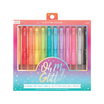




Colors play an important role in the overall feel you want to achieve in your artwork. Often, when colors first come to mind, we automatically think of bright, vivid colors. There is no doubting the energetic and positive vibes that bright colors inspire; however, there is a certain understated power that is often overlooked when it comes to pastel colors and muted colors. Pastel colors can sometimes be described as muted colors, but distinct differences do exist. Using a muted color palette in your art designs may seem difficult to handle. With the right technique, you can use muted and pastel colors to create vibrant and sophisticated artwork.
The Color Theory Behind Muted and Pastel Colors
To better understand the difference between pastels and muted colors, we must first understand the following terms in color theory: hue, tone, and purity.- Hue refers to the actual wavelength that each color reflects. In other words, hue is the actual color that we see in our minds, without any tint or shade. Imagine the colors of a rainbow in your head. These are the hues of red, orange, yellow, green, blue, indigo, and violet.
- Tone refers to lightness or darkness. Lightness can be thought of as tinting a hue, and darkness can be thought of as adding shading to a hue. Think about the difference between sky blue and navy blue.
- Purity refers to either the greyness or saturation of a hue or color. Highly saturated colors are seen as being vibrant and well-pigmented. The more saturated a color is, the purer it is considered. Consider the difference between a pure, fresh coat of paint and a faded or dirty one.
- Black
- Gray
- Color complement
- Earthy color